
5 Things That Always Happen When You Find a Spa You Trust
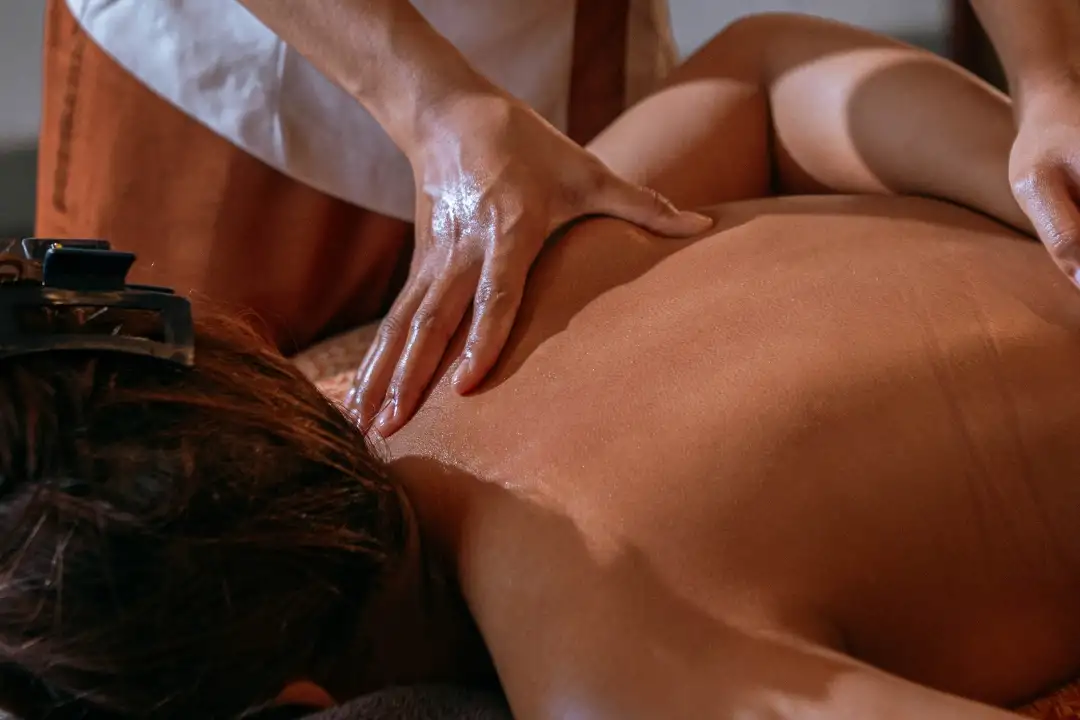
You know you have found a spa you trust when the booking process starts to feel different.
The first visit involves questions.
You check the menu.
You compare treatments.
You look at the location.
You read reviews.
You wonder what the experience will actually be like.
But after a good experience, something changes.
You stop researching from scratch.
You already know where to look.
You remember the treatment you liked.
You know how much time to allow.
You save the contact.
And the next time someone says, “Do you know a good spa in Canggu?”
You already have an answer.
That is what makes a trusted spa in Canggu different.
Trust is not necessarily built through one dramatic moment.
It can come from small details repeated across the booking and treatment experience: clear information, professional therapists, prepared surroundings, consistent handling, and a process that becomes familiar.
For travellers who visit Bali more than once, that familiarity can become surprisingly valuable.
Here are five things that tend to happen when you find a spa you trust.
1. You Save the Contact Without Thinking Twice
The first time you visit a spa, you probably have no reason to save the number.
You are still deciding.
You might have found the spa through Google.
Maybe someone recommended it.
Maybe you discovered it while looking for a massage in Bali.
You make the booking, visit once, and continue with your holiday.
But if the experience works for you, the next step is almost automatic.
Save contact.
Not because you are planning another treatment tomorrow.
Just because you know you might need it again.
This is one of the simplest signs that a spa has moved from:
“One of the options I found online”
to:
“A place I know.”
And that distinction matters.
The next time you are back in Canggu, you do not have to start with:
“Which spa should I try?”
You can start with:
“Let me check if my usual place has availability.”
For 7 Sense Spa Canggu, the brand's official information lists its website, WhatsApp contact, reservation email, and social channels, giving returning guests several ways to reconnect with the brand.
That makes the practical side of returning much easier.
You already know where to go.
You already know where to ask.
And you do not have to begin your search from zero.
2. You Stop Comparing Every Treatment

The first visit can involve a lot of menu scrolling.
“Should I choose this one?”
“What about this?”
“How long is this treatment?”
“What does this package include?”
That is normal.
You are still figuring out what works for you.
But after a positive experience, you may become much more decisive.
You already know what treatment you enjoyed.
You may remember the duration that fit your itinerary.
You may know whether you prefer a shorter appointment or a longer spa package.
And suddenly your next booking takes about five minutes.
This is particularly relevant when a spa offers multiple treatment categories.
The 7 Sense Spa master database includes massage therapies, body treatments, facials, bath rituals, nail care, Chakra Series packages, and other spa experiences.
The first time, that variety can make you curious.
The second time, it can make you more confident.
You might already know:
“I want that one again.”
3. You Start Choosing the Same Duration
Here is another sign that you have become a spa regular.
You stop asking:
“How long should I book?”
You already know.
Maybe your favourite appointment is around one hour because it fits easily between lunch and dinner.
Maybe you prefer a longer session because you usually leave a completely open afternoon for the spa.
Maybe you discovered that a longer package works better when you are staying in Bali for several days.
Your choice becomes part of your travel routine.
This does not mean you will always book exactly the same treatment or duration.
But you have learned what fits your schedule.
And that is useful.
The 7 Sense Spa database includes longer-duration options such as Manipura Sense at 145 minutes, Lavender Luxe Escape at 120 minutes, Serenity Bliss at 135 minutes, and Harmony & Glow at 120 minutes.
A returning guest who already knows their preferred duration can plan much faster.
Instead of rebuilding the decision every time, they can simply check availability.
Your Spa Duration Becomes Part of Your Travel Style
Think about it.
You may have a preferred coffee order.
A favourite restaurant.
A hotel you return to.
And eventually, you can have a preferred spa duration.
Not because it is objectively the right amount of time.
Because it works for you.
Maybe:
60 minutes: “Fits perfectly into my itinerary.”
90 minutes: “Enough time without taking over the afternoon.”
Longer package: “I already know I want the whole afternoon.”
The point is familiarity.
You know what works.
4. You Start Booking Earlier
The first time you visit a spa, you may be willing to be spontaneous.
You are in Canggu.
You have a free afternoon.
You search for a spa.
You ask about availability.
And if something works, great.
But once you find a spa you trust, you may start planning differently.
You know you want to visit again.
So when you book your Bali trip, the spa becomes part of the itinerary.
Maybe you already know:
“I'm staying in Canggu next month. Let's book the spa for Thursday afternoon.”
That is a completely different behaviour from last-minute searching.
You are no longer asking:
“Where can I get a massage?”
You are asking:
“What time is my usual spa available?”
This is one reason repeat visits can become easier.
You already have a reference point.
The brand assessment itself lists increasing repeat customers as one of 7 Sense Spa's supporting business objectives.
For the guest, that repeat behaviour can look very simple:
Save the contact.
Remember the treatment.
Check the schedule.
Book earlier.
Return.
No complicated loyalty programme required.
Sometimes familiarity is enough.
5. You Recommend It Without Being Asked
This might be the biggest sign.
Someone in your group chat asks:
“Any good spa recommendations in Canggu?”
And you immediately send one name.
You do not need to search again.
You do not need to compare ten options.
You simply say:
“Try this one.”
That is a spa recommendation based on personal experience rather than an advertisement.
And recommendations often become more specific after you have visited a place more than once.
Instead of:
“This spa looks nice.”
You might say:
“I've been there before. I liked the treatment.”
Or:
“I've booked there before. You can check their current menu here.”
There is an important difference.
You are not recommending a place simply because the photos look good.
You are recommending something you have personally experienced.
That is a stronger form of trust.
The 7 Sense Spa brand assessment explicitly includes “menjadi rekomendasi spa di Canggu” among its supporting goals.
And that recommendation can happen naturally.
A friend asks.
You answer.
The spa enters someone else's Bali itinerary.
What Makes This Behaviour Happen?
People do not usually return simply because a spa has a nice logo.
The decision is often built through a collection of smaller experiences.
The Information Was Clear
You knew what treatment you were booking.
The Process Felt Familiar
You understood what happened before and during the treatment.
The Therapist Experience Worked for You
You knew how to communicate your preferences.
The Timing Made Sense
The appointment fit your Bali itinerary.
The Experience Was Consistent Enough
You knew roughly what to expect when you returned.
That last point is important.
Trust does not necessarily mean expecting every visit to be identical.
Different treatments can feel different.
Different therapists may have different approaches within professional standards.
Your preferences may also change.
What matters is having enough familiarity with the overall process that you feel comfortable returning.
The Difference Between Trying a Spa and Having “Your” Spa

There is a funny transition that happens.
At first:
“Let's try this spa.”
Later:
“Let's go to my usual spa.”
That one word changes everything.
My.
You are no longer treating the spa as one of many interchangeable options.
You have a reference point.
This is especially useful when travelling to Bali repeatedly.
Every trip does not need to begin with a new search.
You already know the area.
You already know the booking channel.
You already know the treatment you liked.
You may even already know the duration that fits your itinerary.
That makes planning easier.
Returning Does Not Mean You Can Skip Checking the Details
There is one important exception to the “usual spa” mindset.
Familiarity should not replace checking current information.
Treatment menus can change.
Prices can change.
Availability changes.
Booking information can change.
So even if you have visited before, check the current official information before your next appointment.
For 7 Sense Spa Canggu, the official website listed in the brand assessment is 7sensespacanggu.com, with WhatsApp and reservation email details also provided.
Use those official channels to confirm the current treatment and appointment details.
Your memory is useful.
The current menu is better.
Your Next Bali Trip Might Already Have a Spa Appointment
This is how repeat behaviour can slowly become part of travel planning.
You book your Bali accommodation.
You think about restaurants.
You check activities.
And then:
“Oh, I should book the spa too.”
You already know where.
You already know roughly what you want.
You already know how much time to allow.
The decision takes minutes instead of hours.
That is the practical value of finding a trusted spa in Canggu.
It removes some of the uncertainty from your next trip.
Not because every visit has to be exactly the same.
But because you already have a place you are comfortable considering.
The Five Signs in One List
Think you have found your regular spa?
See how many of these sound familiar.
1. You saved the contact.
You want the details available for your next visit.
2. You recommend it.
Someone asks for a spa in Canggu, and you already have an answer.
3. You choose the same duration.
You know what fits your schedule.
4. You book earlier.
You plan the spa into the itinerary instead of searching at the last minute.
5. You return on your next Bali trip.
The spa has become part of your travel routine.
If you recognise yourself in all five, congratulations.
You may have officially stopped “trying spas” and started having a usual one.
A Familiar Spa Can Make Travel Planning Easier
For travellers, consistency has a practical benefit.
When you return to Canggu, you already have one less decision to make.
You do not need to start with:
“Which spa should I try?”
You can start with:
“When do I want my treatment?”
That is a much easier question.
And it leaves more time for the rest of the trip.
For 7 Sense Spa Canggu, the brand is positioned as an affordable luxury hotel spa in Pererenan and Canggu, with professional spa therapists, personalized treatments, natural ingredients, longer-duration treatments, and a range of spa experiences.
The brand's strategy also explicitly aims to increase repeat customers and become a recommended spa in Canggu.
For a guest, that relationship does not need to be complicated.
You find a place that works for you.
You remember it.
You recommend it.
You book again.
And eventually, when someone asks where to get a massage in Bali, you already know what you are going to send them.
Your saved contact.
Your usual treatment.
Your usual duration.
Your usual spa.
Maybe that is what a repeat spa guest really looks like.
Explore 7 Sense Spa Canggu and check the current treatment and reservation information at 7sensespacanggu.com.


